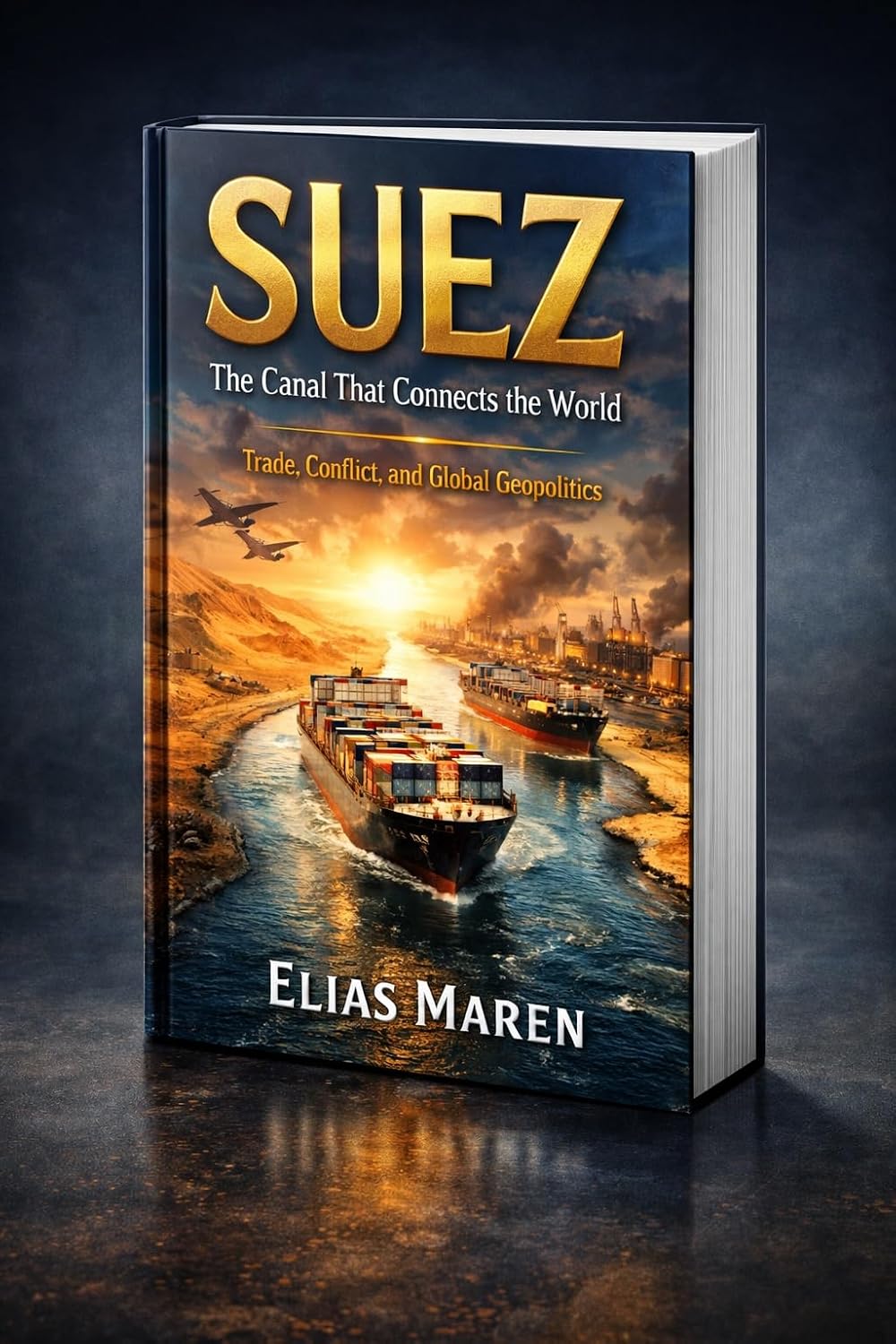
Suez
The Canal That Connects the World — Trade, Conflict, and Global Geopolitics
For more than a century and a half, the Suez Canal has linked the Mediterranean to the Red Sea and compressed global commerce into a single narrow channel. When it functions, the world barely notices; when it stops, the cost is immediate and global. This volume examines the canal's role in trade, the conflicts that have repeatedly centered on it, and why control of Suez has always meant influence over the world's commerce.
Coming Soon
Audiobook Edition
The audiobook edition of Suez is in production. Join the Intelligence Brief to be notified on release.
Reader Reviews
“Reviews are being collected. Check back soon or visit the Amazon listing to read and leave a review.”
Also in Global Chokepoints
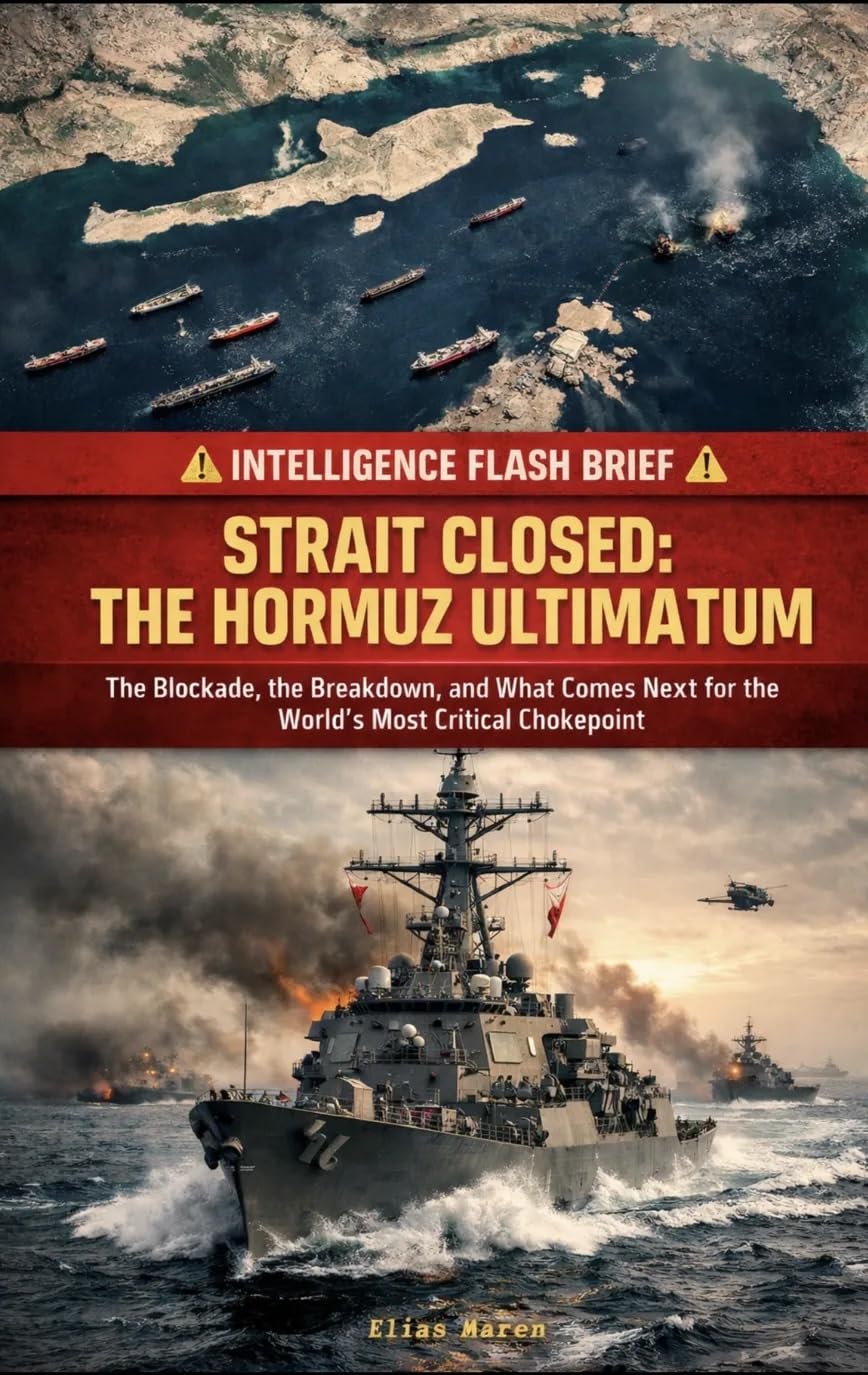
Strait Closed: The Hormuz Ultimatum
The blockade is in effect. The breakdown has begun. What comes next for the world's most critical chokepoint will determine the fate of the global economy.
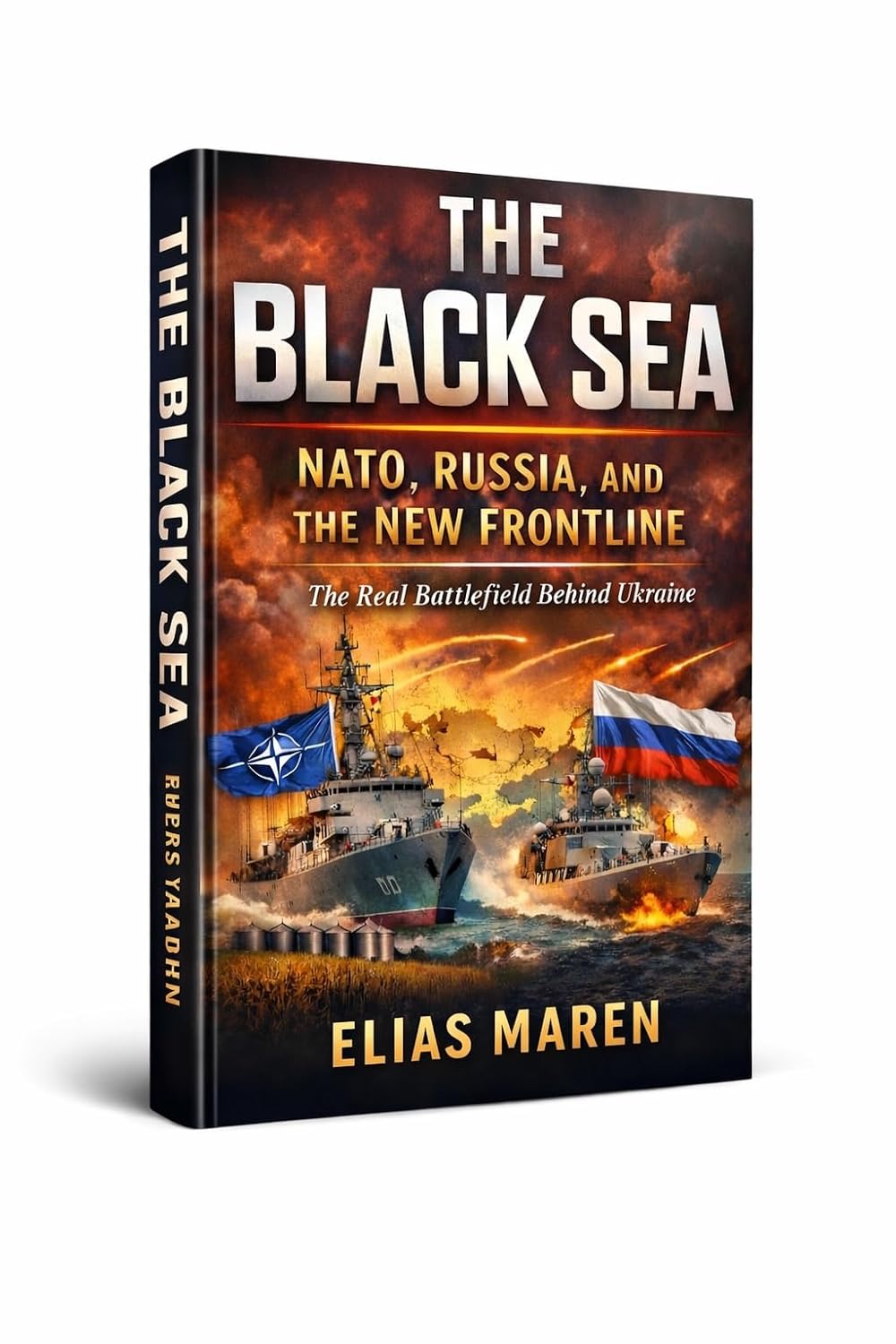
The Black Sea
The Black Sea has become one of the most militarized and contested waters on Earth — the seam where NATO and Russia press against each other directly. This entry in the Global Chokepoints series examines why this enclosed sea, ringed by rival powers and tied to the world's grain and energy flows, sits at the center of the new great-power competition.
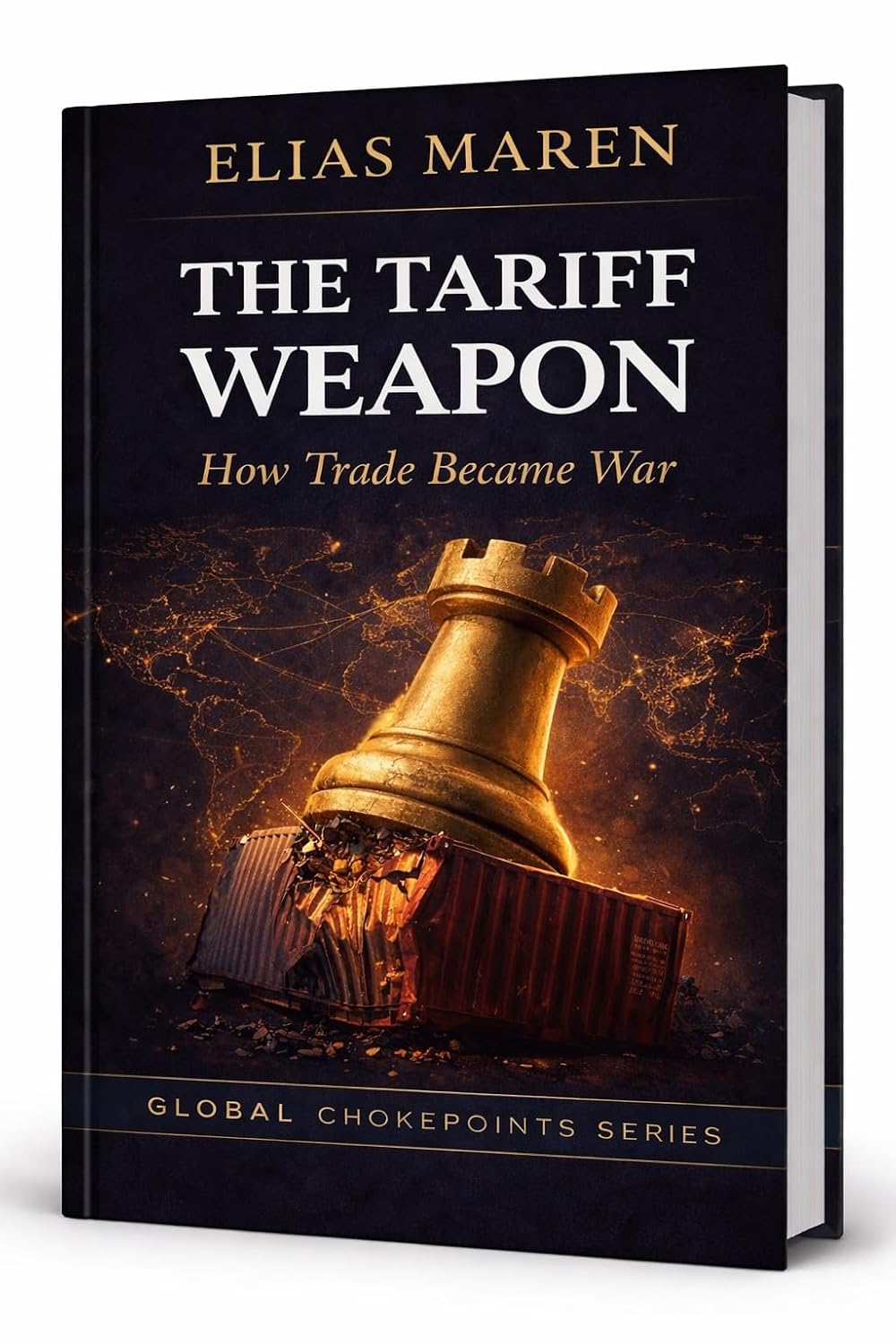
The Tariff Weapon
Tariffs are no longer merely economic instruments — they have become weapons of statecraft. This entry in the Global Chokepoints series examines how trade policy turned into a primary arena of great-power conflict, where supply chains, currencies, and access to markets are wielded the way fleets and armies once were.

Cedar and Fire
Lebanon sits at the intersection of regional rivalries far larger than itself. This entry in the Global Chokepoints series examines how a small country became a hinge point where the pressures of competing powers concentrate — and why its fate carries consequences well beyond its borders.
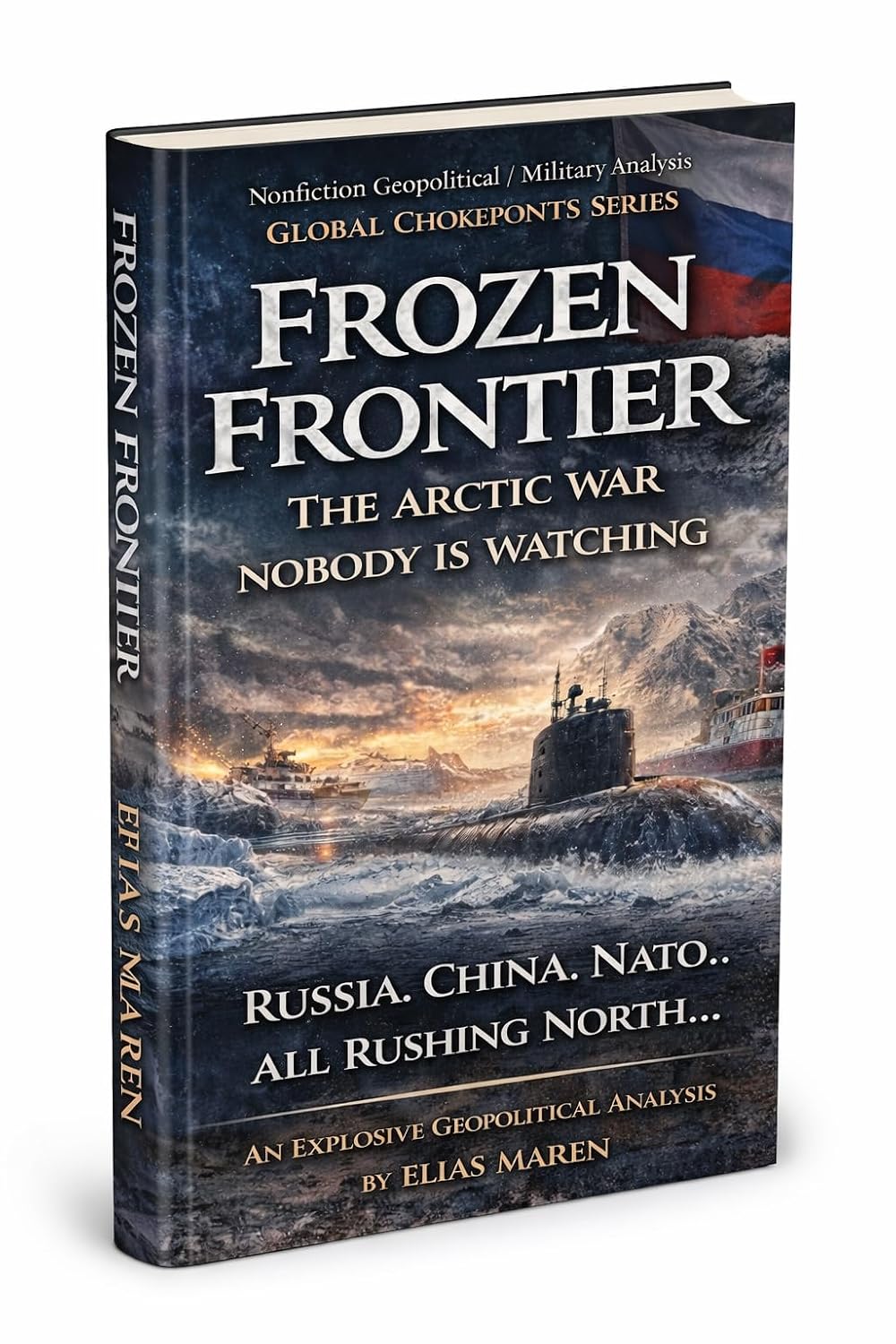
Frozen Frontier
As polar ice retreats, the Arctic is opening into a new arena of competition — for shipping lanes, resources, and military position. This entry in the Global Chokepoints series examines the contest taking shape at the top of the world, largely out of public view.
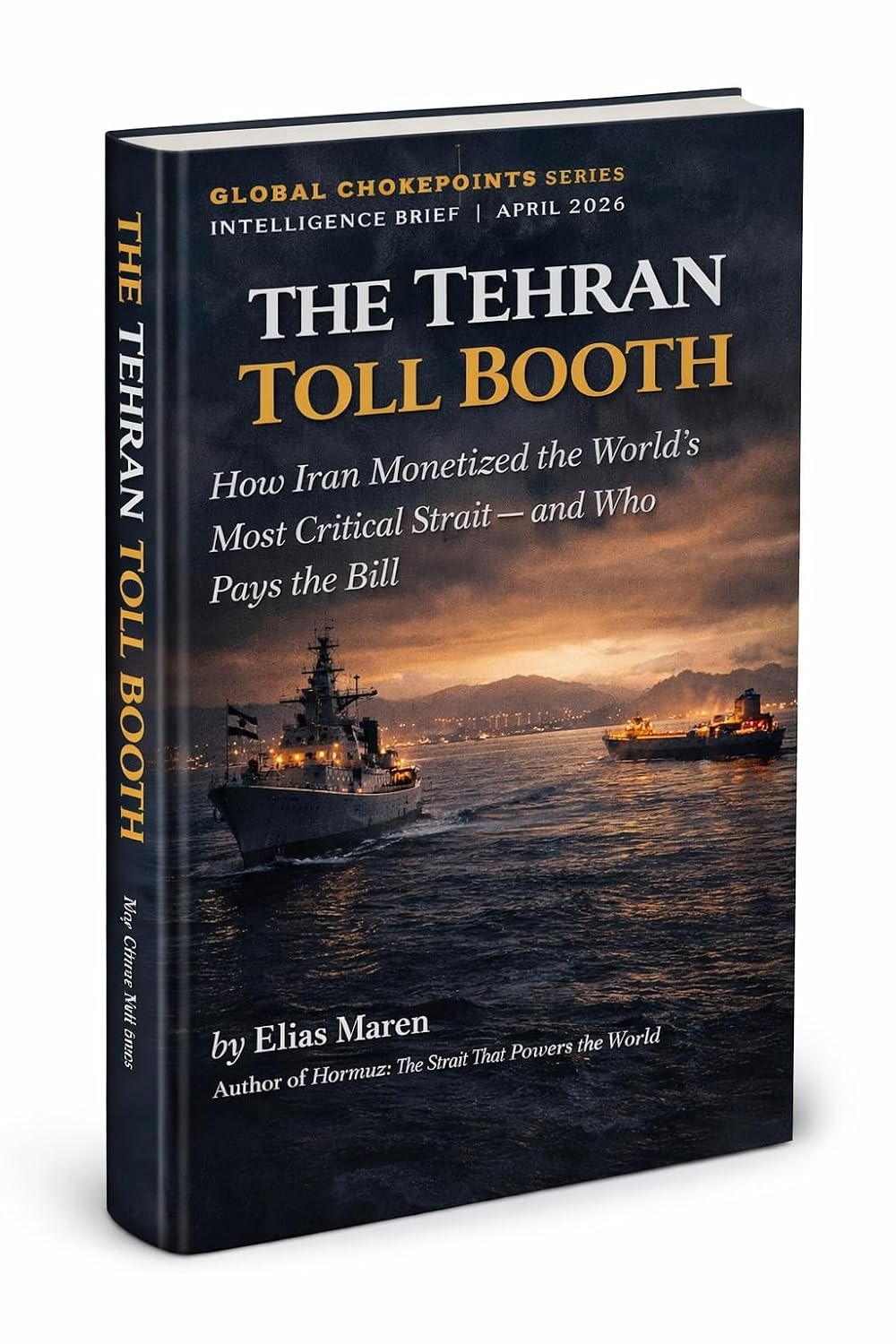
The Tehran Toll Booth
The Strait of Hormuz is the single most important oil chokepoint on Earth, and Iran's position astride it grants Tehran extraordinary leverage. This entry in the Global Chokepoints series examines how that leverage works — and what it means when one nation can place a toll on the world's energy.
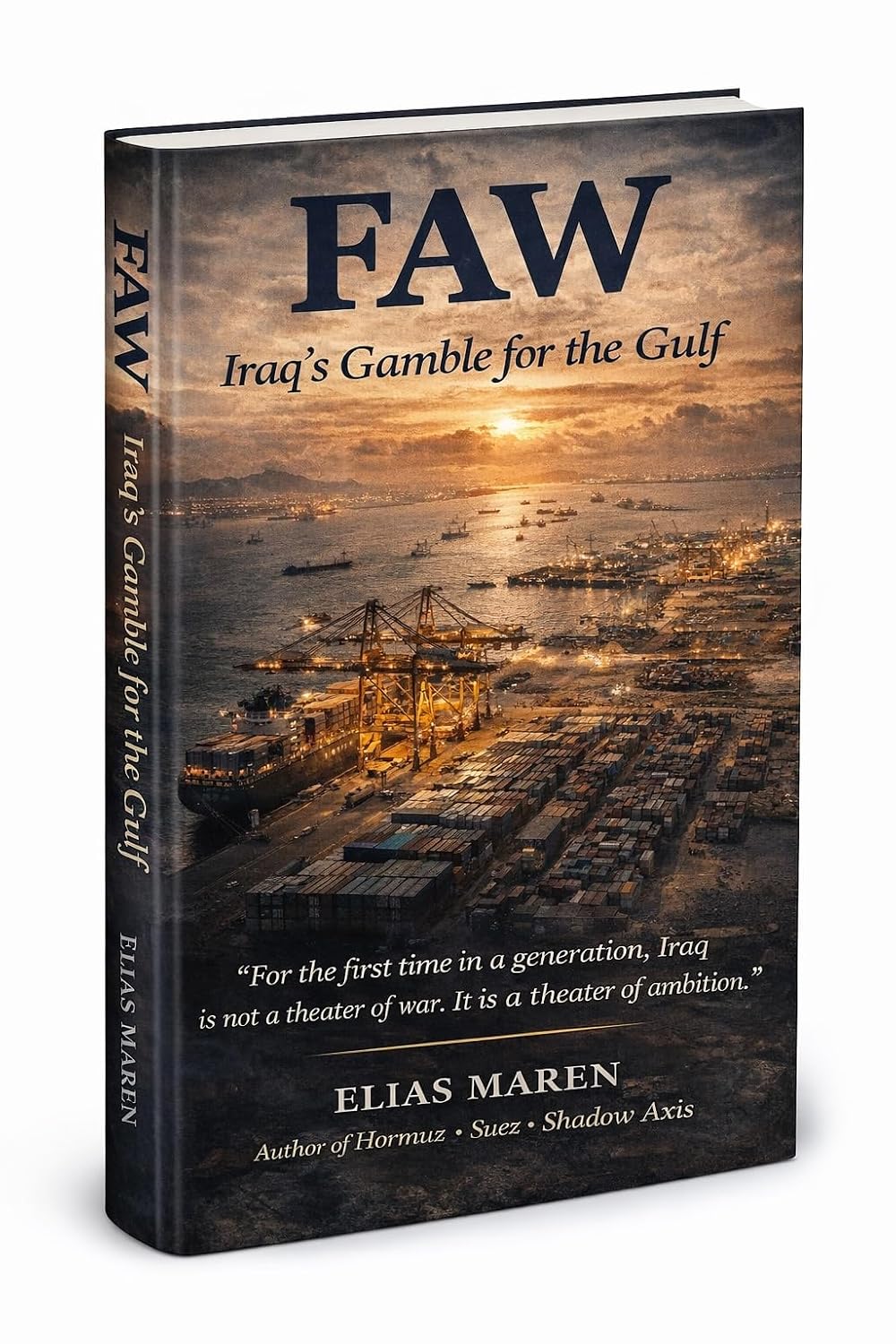
FAW
The Faw Peninsula commands Iraq's narrow access to the Persian Gulf — a sliver of contested ground with outsized strategic weight. This entry in the Global Chokepoints series examines the struggle for this chokepoint and what control of it means for Iraq's place on the water.
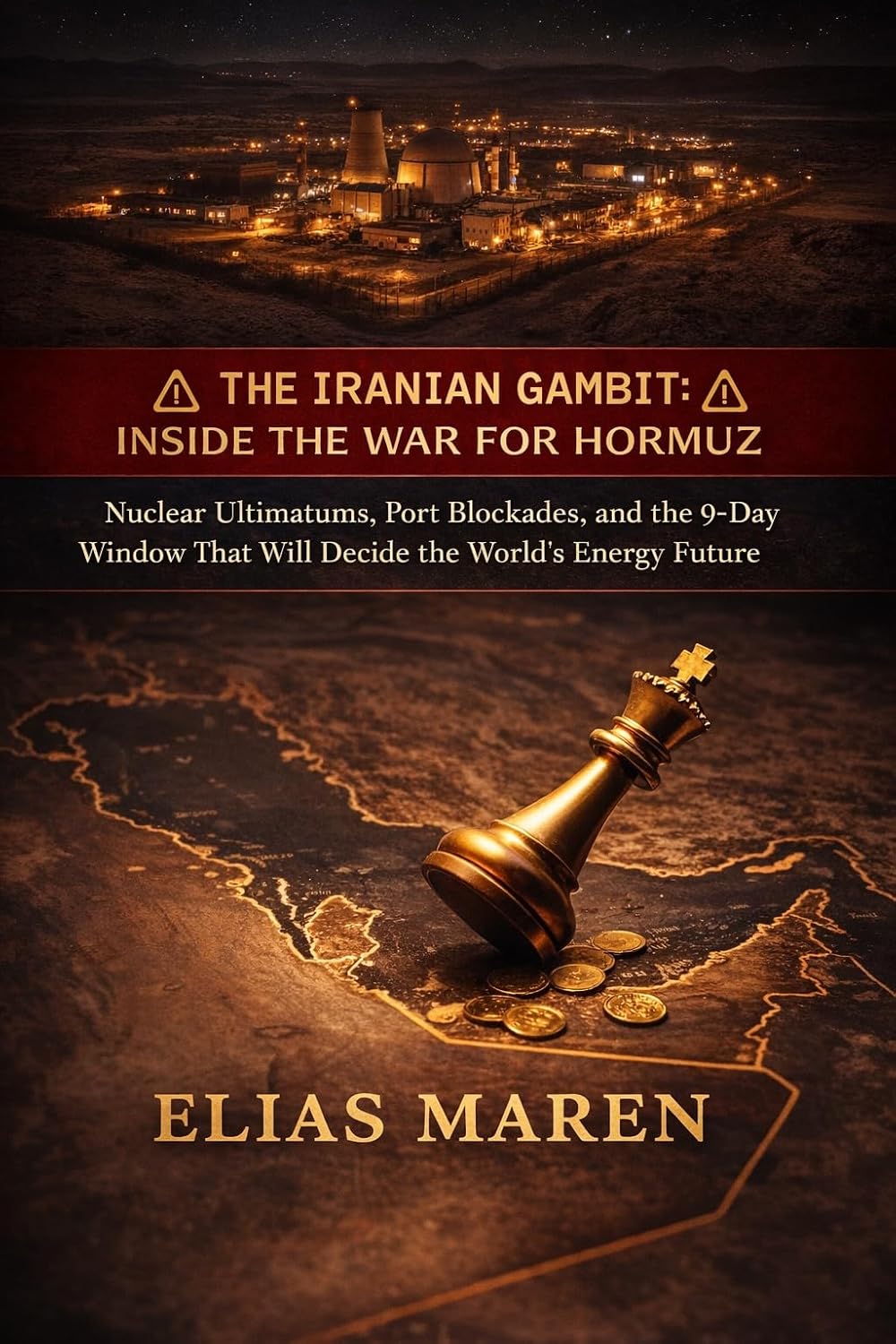
The Iranian Gambit
Nuclear ultimatums. Port blockades. A 9-day window that will decide the world's energy future. The Iranian Gambit is the most urgent geopolitical briefing of 2026.
Strait on Fire
2026. Iran closes the Hormuz. The ghost fleet moves. The world holds its breath.
The Taiwan Tripwire
The Davidson Window is closing. TSMC is the silicon shield. And the tripwire is already set.
The Greenland Chokepoint
Arctic sovereignty. Strategic minerals. The new cold war's opening move.
The Cislunar Race
The next chokepoint isn't on Earth. It's 239,000 miles away—and China is already moving.